10 Things We All Hate About Bypass The TestDaF Exam
Bypass The TestDaF Exam Legally: Your Ultimate Guide
The TestDaF (Test Deutsch als Fremdsprache) is a standardized German language proficiency exam, important for non-native speakers aiming to study at German universities. While it is an essential obstacle for lots of hopeful students, the nuance of “bypassing” the TestDaF exam should not imply averting it; rather, it describes understanding and making use of alternative paths to meet language proficiency requirements. This blog site checks out different legitimate options to the TestDaF exam, thereby enabling trainees to satisfy their scholastic ambitions without taking the test straight.
Comprehending the TestDaF
Before diving into the options, it's important to understand the structure and purpose of the TestDaF. The exam examines a candidate's German language abilities across four essential areas: checking out comprehension, listening understanding, composed expression, and oral expression. Each area is designed to evaluate the language abilities essential for academic success. Ball games vary from TDN 3 to TDN 5, with TDN 4 usually considered the minimum needed by many universities.
TestDaF Score Requirements Table
University Program
Minimum TestDaF Score
Remarks
Bachelor's Programs
TDN 4
Typically accepted
Master's Programs
TDN 4 or greater
Some programs may require TDN 5
Doctorate Programs
TDN 5
Higher efficiency is expected
Alternatives to TestDaF
Luckily, there are a number of legal alternatives for showing German language efficiency to universities in Germany. Below is an extensive list of accepted alternatives:
DSH (Deutsche Sprachprüfung für den Hochschulzugang)
The DSH exam is another language proficiency test, comparable to the TestDaF. Lots of universities provide this choice, and students may take this exam after their registration.telc Certificates
The telc (The European Language Certificates) offers several levels of language efficiency examinations (A1-C2), and the telc C1 Hochschule certificate is commonly accepted by German universities.Goethe-Institut Certificate
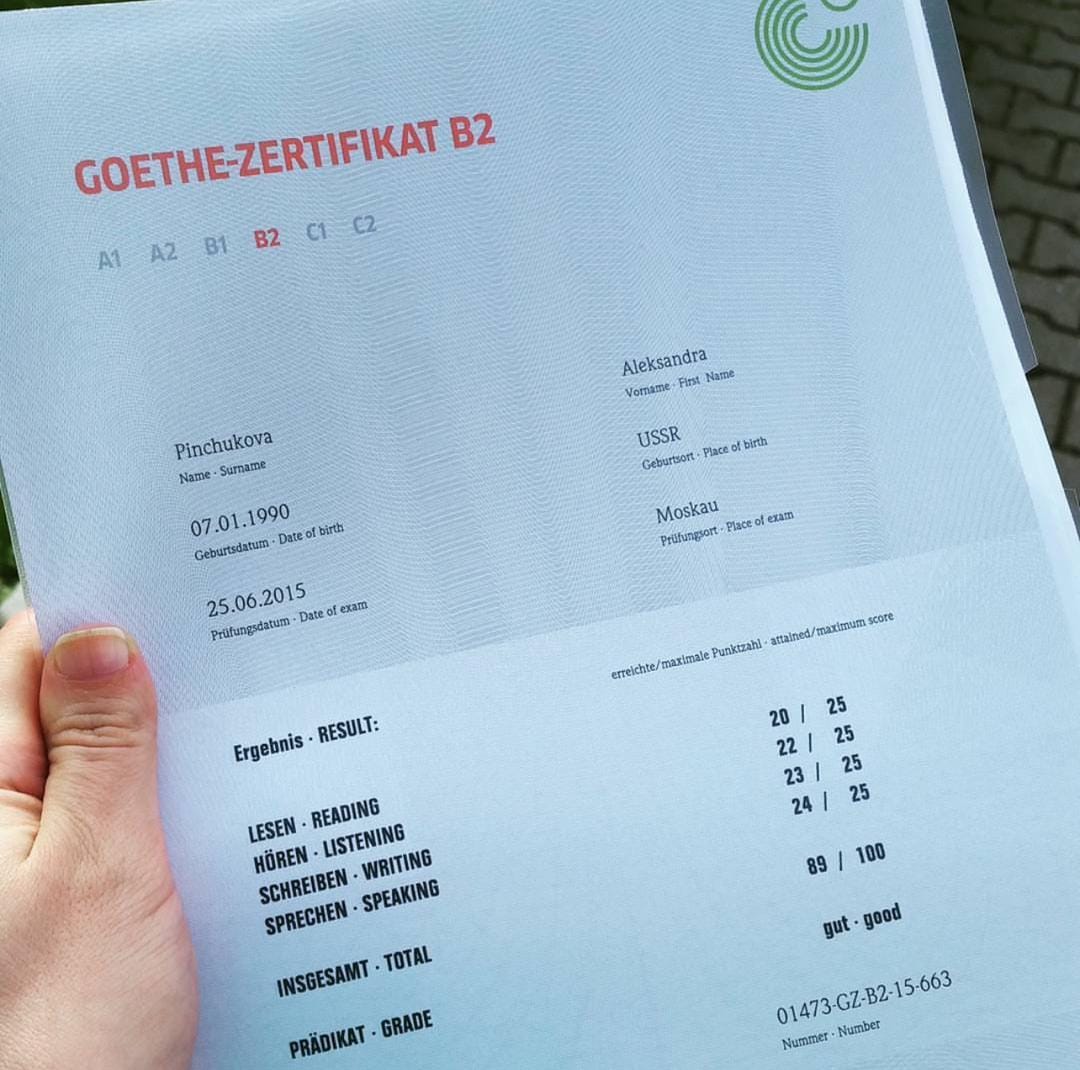
Certificates from the Goethe-Institut are acknowledged worldwide. TestDaF Zertifikat Kaufen Österreich is typically accepted as an appropriate alternative for TestDaF.ÖSD (Österreichisches Sprachdiplom Deutsch)
The ÖSD uses language diplomas that are accepted at many universities, with the C1 diploma certifying as a viable alternative.C2 Proficiency (Cambridge English)
For those skilled in English, holding a C2 Proficiency from Cambridge can sometimes be accepted depending on the program and organization.Language Preparation Courses
Some universities offer preparatory language courses. Finishing such a course can typically excuse a trainee from taking the TestDaF if they fulfill specific progression requirements.Previous Academic Qualifications
If a student finished their secondary education in a German-speaking country or participated in a college-level program taught in German, they may be exempt from the test.
Contrast of Alternative Language Proficiency Tests
Below is a comparison of the leading option tests based on their common acceptance among German universities:
Alternative Exam
Approval Rate
Level of Difficulty
Duration
DSH
High
Moderate
Varies (2-4 hours)
telc C1 Hochschule
High
Moderate to High
4-5 hours
Goethe C1
Very High
High
Around 5 hours
ÖSD C1
High
High
About 4 hours
Cambridge C2 Proficiency
Moderate
Extremely High
4-5 hours
How to Transition Smoothly
To browse these alternative routes efficiently, potential students need to follow a series of organized steps:
Research Requirements:
Investigate the language efficiency requirements of your desired university and program.Select the Right Exam:
Based on your current level of efficiency and flexibility in scheduling, select the alternative exam that matches you best.Prepare Adequately:
Enroll in suitable language courses or tutoring sessions to improve your skills before taking the exam.Register for the Exam:
Ensure timely registration to secure your favored exam date.Collect Necessary Documentation:
Gather required documents, including proof of previous education, diplomas, and language certificates you may have finished.
Tips for Success in Alternative Language Testing
- Practice Regularly: Daily practice can considerably boost your language skills.
- Use Resources: Leverage online resources, applications, and language exchange platforms to boost your learning.
- Mock Exams: Take practice exams to familiarize yourself with the screening format and time restraints.
Often Asked Questions (FAQ)
What is the minimum score needed for the alternatives?
The minimum score or level differs by program and institution. Usually, a C1 level is thought about a legitimate option for many universities.
Will all universities accept alternative tests?
While lots of universities do accept alternative language certifications, it's always best to verify this straight with the university's admissions office.
Do I need to show evidence of language proficiency before using?
The majority of universities will require proof of language efficiency as part of the application process. Nevertheless, some might enable you to submit proof post-enrollment if you satisfy certain course criteria.
The length of time is the language accreditation valid?
Normally, language efficiency certificates are valid for an unrestricted period, but universities may have their specific conditions, so talking to them is recommended.
Can I take preparatory courses while studying at university?
Yes, lots of universities provide language courses which might allow you to develop your skills while making credits toward your degree.
Bypassing the TestDaF exam legally is a pragmatic approach for prospective trainees. Understanding the options offered and leveraging them effectively can empower students to fulfill language requirements, paving the way for their scholastic journey in Germany. By doing comprehensive research and preparing properly, students can maximize their opportunities in pursuit of college in this vibrant country.